
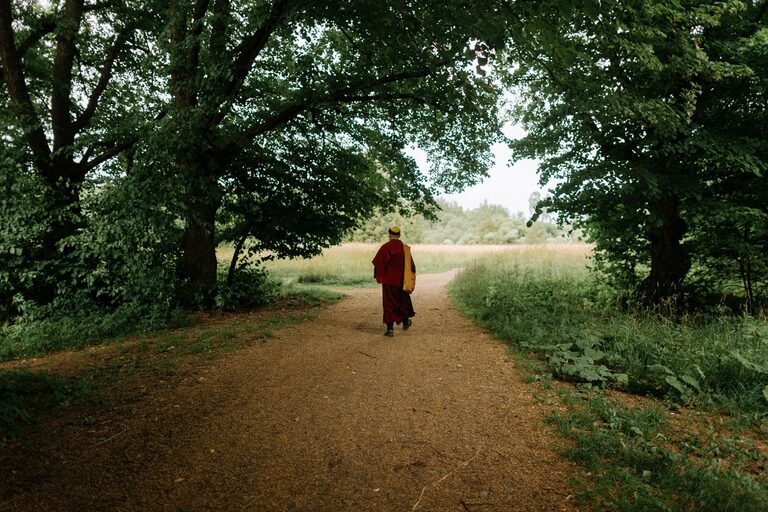
Beginner Guide to Mindful Walking: Simple Steps for Everyday Practice
Mindful walking is a gentle practice that invites you to slow down and fully experience the simple act of walking. It combines movement with mindfulness—the art of paying attention to the present moment without judgment. For beginners, mindful walking can be a refreshing way to reduce stress, improve focus, and connect more deeply with your surroundings.
In this guide, you’ll learn what mindful walking is, why it matters, and how to start your own practice. Whether you take a stroll in your neighborhood or step outside during a break, mindful walking can fit into your daily routine with ease.
What Is Mindful Walking?
Mindful walking means bringing your full attention to the experience of walking. Instead of walking on autopilot or rushing to your destination, you focus on the sensations of your body, your breath, and the environment around you.
It is a form of meditation in motion. You observe your steps, the feeling of your feet touching the ground, the rhythm of your breath, and the sounds, sights, or smells around you. The goal is not to get somewhere quickly but to be fully present with each step.
Benefits of Mindful Walking
Practicing mindful walking can have several positive effects on your well-being, including:
– Stress reduction: Helps calm your mind and lower anxiety.
– Improved focus: Enhances concentration by training your attention.
– Better body awareness: Encourages a deeper connection with your physical self.
– Increased relaxation: Promotes a sense of peace and balance.
– Connection to nature: Encourages appreciation of your surroundings.
Because walking is a natural and accessible activity, adding mindfulness can be a powerful yet simple way to boost your mental and physical health.
Getting Started: Tips for Beginners
Starting a mindful walking practice does not require special equipment or training. Here are some easy steps to guide you:
1. Choose a Comfortable Location
Find a safe, quiet place where you can walk without many distractions. It could be a park, a quiet street, your backyard, or even indoors if weather doesn’t allow outside walking.
2. Wear Comfortable Shoes
Choose shoes that feel comfortable and supportive. Since you’ll be paying close attention to your feet, it helps to be free from discomfort.
3. Set Aside Time
Begin with just 5 to 10 minutes. You can gradually increase the time as you become more comfortable with the practice.
4. Stand Still and Breathe
Before you start walking, stand still for a moment. Take a few deep breaths, notice how your body feels, and bring your attention to the present moment.
5. Walk Slowly and Deliberately
Walk at a slower pace than usual. Pay attention to the lifting and placing of each foot. Notice the sensations in your legs, feet, and the movement of your body.
6. Engage Your Senses
Open your senses to your surroundings. Listen to sounds, notice colors, feel the breeze or warmth on your skin, smell the air. Allow these experiences to anchor you in the present.
7. Notice Your Breath
Tune in to your breathing. Observe the natural rhythm without trying to change it. Notice how your breath flows in sync with your steps.
8. Gently Redirect Your Focus
It’s normal for your mind to wander. When you notice this, gently bring your attention back to the sensations of walking and your surroundings without judgment.
Mindful Walking Exercises to Try
Here are a few simple exercises to deepen your mindful walking experience:
The Five Senses Walk
As you walk, consciously focus on each sense one at a time:
– Sight: Notice colors, shapes, light, and movement.
– Sound: Listen for birds, wind, footsteps, or distant noises.
– Touch: Feel the texture of the path beneath your feet or the breeze on your skin.
– Smell: Take in scents of flowers, fresh air, or earth.
– Taste: If safe and appropriate, try to notice any tastes in the air or after a breath.
Spend a few moments noticing each sense before moving to the next.
Step and Breathe Sync
Count your steps in harmony with your breath:
– Inhale for 3 steps.
– Exhale for 3 steps.
Adjust the counts as comfortable. This helps create a rhythm and deepens your awareness.
Body Scan Walk
Slow down even more and scan your body from head to toe while walking. Notice any tension, relaxation, or sensations in different parts of your body.
Tips for Maintaining Your Practice
– Start with short sessions and be consistent.
– Find the time of day when you feel most relaxed.
– Use mindful walking as a break during busy days.
– Combine your practice with other mindfulness exercises like seated meditation or deep breathing.
– Remember, the goal is presence, not perfection.
Final Thoughts
Mindful walking offers a simple yet meaningful way to bring calm and clarity into your life. It invites you to be fully present with each step, helping reduce stress and build a positive connection with your body and environment.
Give it a try today, and experience how mindful walking can transform an ordinary walk into a peaceful moment of awareness and joy. With gentle practice, it can become a valuable part of your wellness routine.
