Cleaning up after dinner can often feel like a daunting task, especially after a long day. However, with a few smart strategies and efficient habits, you can turn this chore into a quick and manageable routine. In this post, we’ll explore practical ideas to make dinner cleanup easier and help you enjoy more time relaxing after your meal.
1. Plan Ahead to Minimize Mess
Prepare Ingredients in Advance
One of the best ways to reduce mess is by prepping your ingredients before you start cooking. Measure out spices, chop vegetables, and set out tools you’ll need. Having everything ready keeps you organized and reduces the number of bowls and utensils used during cooking.
Use Fewer Pots and Pans
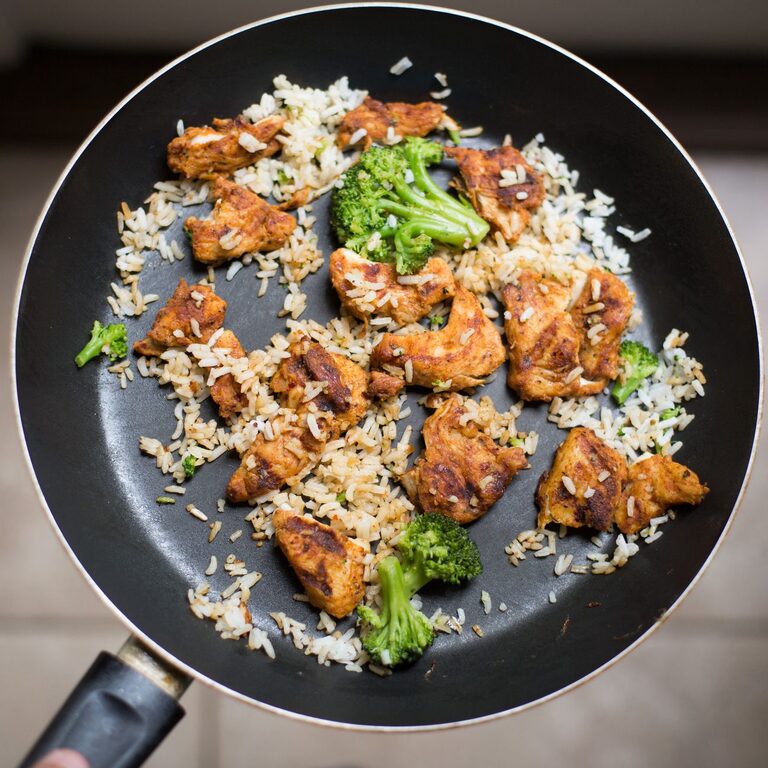
Consider making one-pot or one-pan meals that require minimal cookware. Dishes like stir-fries, sheet pan dinners, or slow-cooker meals combine ingredients in a single dish, which means less cleanup afterward.
2. Clean as You Go
Tidy Up While Cooking
Instead of waiting until the meal is over, wash cutting boards, knives, and mixing bowls as soon as you’re done with them. This habit prevents a pileup of dirty dishes and keeps your workspace clear.
Wipe Spills Immediately
Spills on countertops or stovetops are easier to clean when fresh. Keep a damp cloth or sponge handy to wipe up messes right away, saving you from scrubbing dried-on food later.
3. Use Practical Tools and Products
Invest in Quality Dish Racks and Drying Mats
A well-designed dish rack or drying mat can speed up drying time and keep your kitchen organized during cleanup.
Try Non-Stick Parchment Paper or Silicone Mats
Line baking sheets and pans with parchment paper or silicone mats to prevent food from sticking. This simple step often makes washing up much easier.
Have the Right Cleaning Supplies Ready
Keep your most-used kitchen cleaning products within reach. This includes dish soap, scrub brushes, sponges, and microfiber cloths.
4. Organize Your Kitchen for Efficiency
Create Zones in Your Kitchen
Arrange your kitchen so that cleaning supplies are near the sink and cooking tools are within reach. This setup helps you move smoothly between cooking and cleaning tasks.
Use Storage Containers Smartly
Store leftovers in stackable containers to reduce clutter. Label containers so you can quickly identify contents and expiration dates, which helps prevent waste.
5. Simplify Dishwashing
Soak Dishes Immediately
Fill pots, pans, or dishes with hot, soapy water as soon as you’re finished using them. Soaking loosens food particles and makes scrubbing easier.
Use a Dishwasher Efficiently
If you have a dishwasher, load it strategically to maximize space and ensure everything gets clean. Rinse dishes before loading to avoid leftover food crusts.
6. Delegate and Share the Load
Turn Cleanup Into a Family Activity
Make cleanup a team effort by assigning tasks to family members or roommates. Even young children can help by wiping tables or putting dishes away.
Create a Routine
Establish a consistent cleanup routine right after dinner. When everyone knows their role, the process becomes quicker and less stressful.
7. Reduce Waste and Mess with Smart Choices
Opt for Reusable Instead of Disposable
Using reusable plates, utensils, and cloth napkins not only helps the environment but also often makes cleaning easier than dealing with disposable items.
Plan Meals with Cleanup in Mind
Choose recipes that are quick to prepare and require fewer ingredients. Simpler meals generally create less mess and fewer dishes.
8. Final Tips for a Cleaner Kitchen
Clean Appliances Regularly
Keep your oven, microwave, and stovetop free of buildup to prevent tough stains. Regular maintenance makes it easier to clean after cooking.
Declutter Countertops
Keep countertops clear of unnecessary items to make wiping and cleaning faster and more efficient.
—
By implementing these ideas, you can drastically reduce the time and effort spent on dinner cleanup. With a little preparation, organization, and teamwork, tidying up after meals will become a simpler and more pleasant part of your daily routine. Remember, the goal is to create habits that work for you and make your kitchen a happy, clean space.
About the Author