
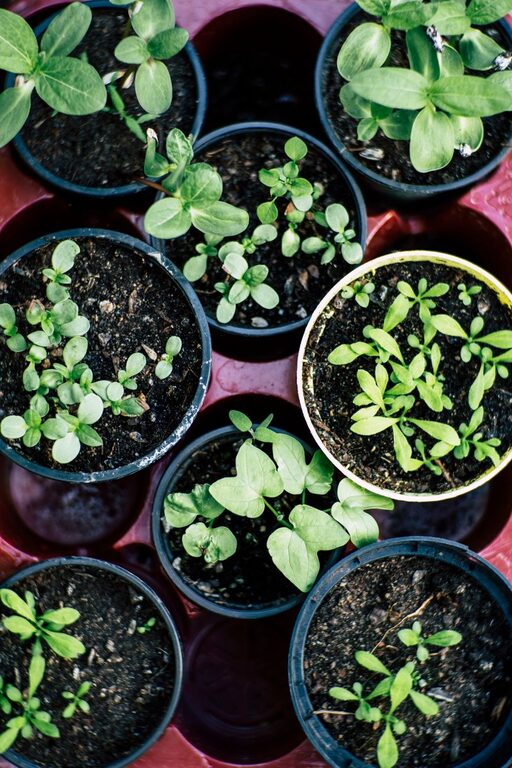
How to Start a Small Herb Garden Indoors: A Beginner’s Guide
Growing your own herbs indoors is a rewarding way to add fresh flavors to your meals while enjoying the benefits of greenery inside your home. Even if you don’t have a yard or much space, starting a small herb garden on a windowsill or countertop is simple and satisfying. This guide will walk you through everything you need to know to get your indoor herb garden started and thriving.
Why Start an Indoor Herb Garden?
Indoor herb gardens offer several benefits:
– Convenience: Fresh herbs are always within reach for cooking.
– Cost-effective: Save money by growing rather than buying herbs.
– Aesthetic appeal: Herbs add a pleasant, natural touch to your home décor.
– Air quality: Plants can help improve indoor air.
Choosing the Right Herbs for Indoor Growing
Not all herbs thrive indoors, so start with beginner-friendly varieties that grow well in pots and limited space:
– Basil: Needs plenty of sunlight and warmth.
– Mint: Very hardy, but keep it contained as it spreads quickly.
– Parsley: Grows well in moderate light.
– Thyme: Requires good drainage and moderate light.
– Chives: Easy to grow and durable.
– Cilantro: Prefers cooler temperatures and indirect light.
– Oregano: Needs bright light and well-draining soil.
Consider which herbs you use most in cooking and what conditions you can provide.
Selecting Containers and Soil
Containers
– Use pots with drainage holes to prevent waterlogging.
– Choose compact containers to fit your space but large enough for root growth (4–6 inches deep).
– Recycled containers like mason jars, tea tins, or small planters work well if they have drainage.
Soil
– Use a high-quality potting mix designed for indoor plants.
– Avoid garden soil, which can be too heavy and may carry pests.
– Look for soil that retains moisture but drains well.
Finding the Perfect Location
Most herbs need at least 6 hours of sunlight daily. Ideal spots include:
– South-facing windows for maximum light.
– East or west-facing windows for moderate light.
– If natural light is limited, consider using grow lights designed for plants.
Avoid places with drafts, heat vents, or fluctuating temperatures.
Planting Your Herb Garden Step-by-Step
- **Prepare your containers:** Fill with potting mix, leaving about an inch of space at the top.
- **Sow seeds or plant seedlings:** Follow the specific instructions on seed packets for depth and spacing.
- **Water gently:** Keep soil moist but not soggy.
- **Label your herbs:** Use small markers to remember what you planted.
If starting from seeds, be patient as some herbs may take 1–3 weeks to sprout.
Caring for Your Indoor Herb Garden
Watering
– Check soil moisture daily; water when the top inch feels dry.
– Avoid overwatering to prevent root rot.
– Use room-temperature water for best results.
Light and Temperature
– Rotate pots regularly for even growth.
– Maintain temperatures between 65°F and 75°F.
– Supplement with grow lights if natural light is insufficient.
Feeding
– Use a balanced, water-soluble fertilizer once a month during the growing season.
– Avoid over-fertilizing, which can reduce flavor.
Pruning and Harvesting
– Regularly pinch off tips to encourage bushier growth.
– Harvest herbs in the morning when flavors are strongest.
– Avoid cutting more than one-third of the plant at once.
Pest Control
– Keep the plants clean and monitor for pests like aphids or spider mites.
– Wipe leaves gently or use insecticidal soap if needed.
Common Challenges and How to Overcome Them
| Problem | Possible Cause | Solution |
|———|—————-|———-|
| Wilting leaves | Overwatering or poor drainage | Check drainage, reduce watering |
| Yellow leaves | Lack of nutrients or light | Fertilize gently, move to sunnier spot |
| Leggy growth | Insufficient light | Use grow lights or relocate |
| Pests | Indoor insects | Use natural pest control methods |
Tips for Success
– Start with a few herbs and expand as you gain confidence.
– Use fresh herbs quickly for best flavor.
– Experiment with different containers and locations.
– Keep a gardening journal to track what works best.
Conclusion
Starting a small indoor herb garden is easy and rewarding, even in limited space. With the right herbs, containers, and care, you can enjoy fresh, homegrown flavors year-round. Whether you’re a cooking enthusiast or just love plants, this simple gardening project can brighten your home and your meals.
Happy gardening!
